
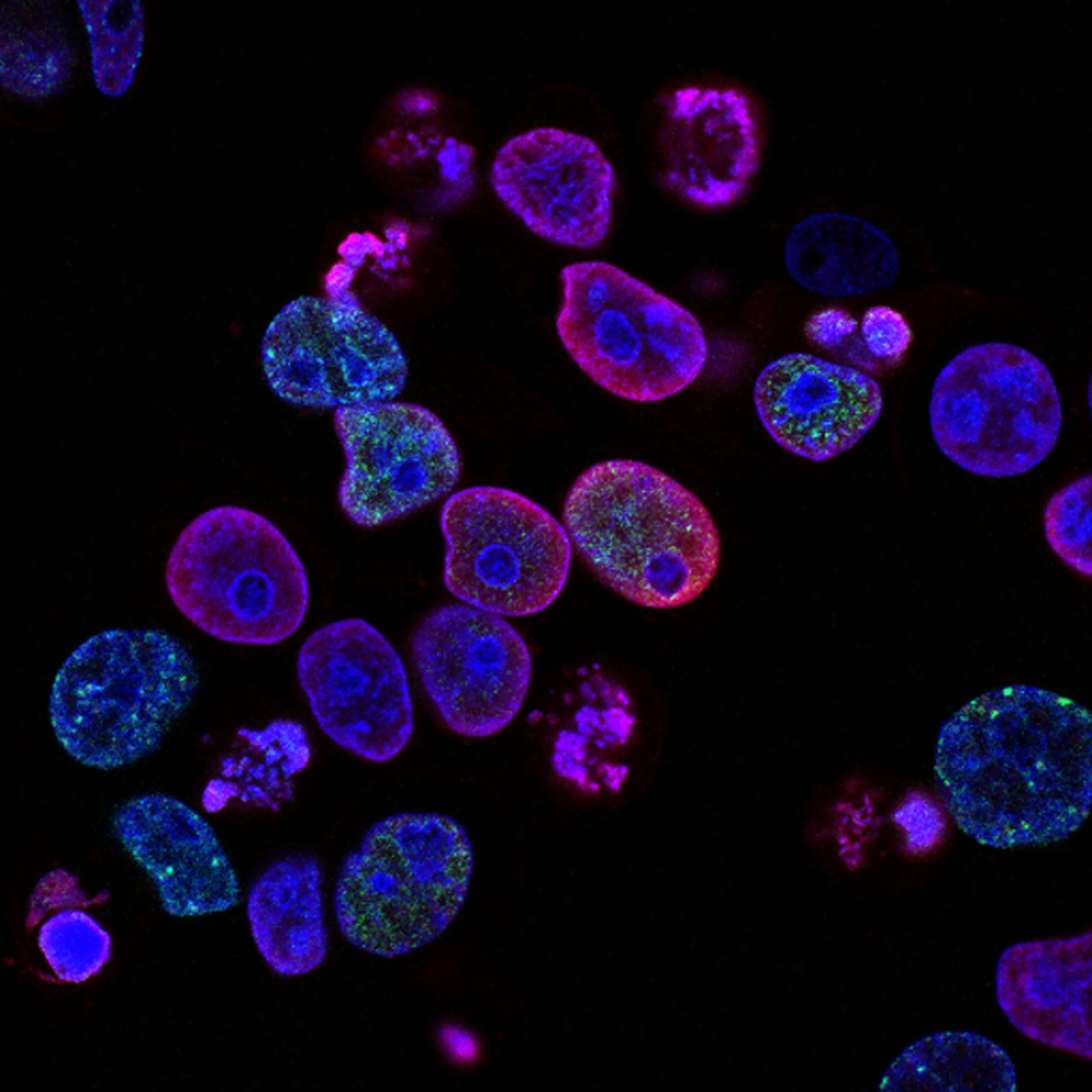
What is Prostate Cancer?
Prostate cancer is a disease where abnormal cells develop in the prostate gland—a small, walnut-sized gland located just below the bladder in men. The prostate plays a vital role in the male reproductive system by producing seminal fluid, which nourishes and transports sperm.
While many prostate cancers grow slowly and remain confined to the prostate, some can be aggressive and spread rapidly to other parts of the body, such as the bones and lymph nodes. The key to managing prostate cancer lies in understanding its nature, recognizing risks, and taking proactive steps toward early detection.
How Common is Prostate Cancer?
Prostate cancer is the most commonly diagnosed cancer in men after skin cancer. According to the American Cancer Society, about 1 in 8 men will be diagnosed with prostate cancer during their lifetime. The risk increases with age, particularly for men over 50, and is higher among African American men and those with a family history of the disease.
Types of Prostate Cancer
Not all prostate cancers are the same. Understanding the type helps in deciding the best course of action:
Adenocarcinoma: This is by far the most common type, originating in the glandular cells that line the prostate.
Small Cell Carcinoma: A rare, aggressive form that grows and spreads quickly.
Squamous Cell Carcinoma & Other Rare Types: These are less common and may behave differently than typical prostate cancers.
Risk Factors to Be Aware Of
While every man is at risk, certain factors can increase the likelihood of developing prostate cancer:
Age: The risk rises significantly after age 50.
Family History: Having a father, brother, or close relative with prostate cancer increases your risk.
Ethnicity: African American men are at a higher risk and tend to develop more aggressive forms.
Lifestyle Factors: Diet, obesity, and exposure to certain chemicals may also play a role, though research is ongoing.
Is Prostate Cancer Always Life-Threatening?
Not necessarily. Many prostate cancers grow so slowly that they may never cause harm during a man’s lifetime. These cases are often managed through active surveillance rather than immediate treatment.
However, some types can be aggressive and life-threatening if not detected early. That’s why regular check-ups and open conversations with your healthcare provider are so important.
Why Early Awareness Matters
Prostate cancer often shows no symptoms in its early stages. Without routine screening, it can go unnoticed until it becomes more advanced. Early detection provides a wider range of treatment options and a much better chance of successful outcomes.
At Curatio, we believe knowledge is power. Understanding what prostate cancer is—and isn’t—equips you to make informed choices for yourself and your loved ones. Whether you’re here seeking answers, support, or simply to educate yourself, you’re in the right place.